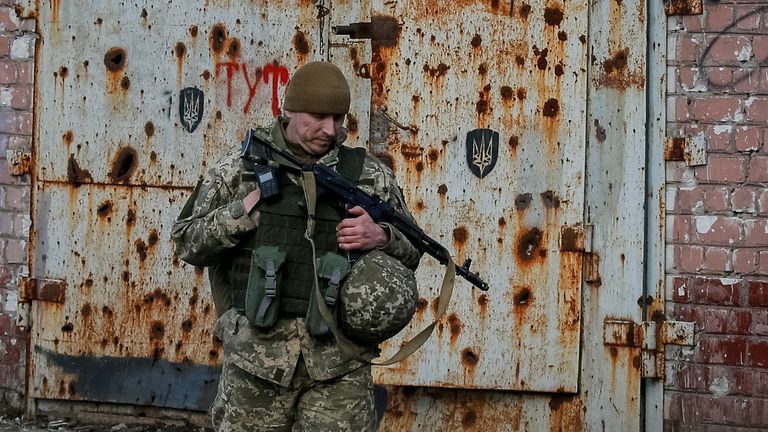
The Russian-Ukrainian War & How It’s Effecting The Entire World

The Russian Ukrainian war is a conflict that is having far-reaching effects throughout the world.

The war began in 2014 when Russia annexed the Crimean peninsula from Ukraine. This action was met with international condemnation, and led to further tensions between Russia and Ukraine. In 2015, Russia began providing military support to separatist rebels in eastern Ukraine, leading to a major escalation of the conflict.

Since then, the war has killed over 10,000 people and displaced over 1.5 million. It has also had a major impact on the global economy, with sanctions imposed on Russia by the United States and European Union leading to billions of dollars in lost trade. The conflict has also led to a deterioration of relations between Russia and the West, with the two sides now locked in a new Cold War.

The Russian Ukrainian war is a conflict that is having far-reaching effects throughout the world. The war began in 2014 when Russia annexed the Crimean peninsula from Ukraine. This action was met with international condemnation, and led to further tensions between Russia and Ukraine. In 2015, Russia began providing military support to separatist rebels in eastern Ukraine, leading to a major escalation of the conflict.

The war has caused a major decrease in trade between Russia and the rest of the world. Russia used to be one of the world’s leading exporters of oil and natural gas, but now most countries are hesitant to do business with them. This has caused a significant decrease in Russia’s revenue, and their economy has suffered as a result.

The war has also led to an increase in the price of oil and gas, as Russia is no longer able to meet the world’s demand. This has had a ripple effect on the global economy, as the high cost of energy has led to inflation and a decrease in purchasing power.

Since then, the war has killed over 10,000 people and displaced over 1.5 million. It has also had a major impact on the global economy, with sanctions imposed on Russia by the United States and European Union leading to billions of dollars in lost trade. The conflict has also led to a deterioration of relations between Russia and the West, with the two sides now locked in a new Cold War.

The Russian Ukrainian war is a tragedy that is having far-reaching consequences for the people of both countries, as well as the rest of the world. It is a conflict that must be resolved through peaceful means, lest it lead to even greater suffering.


Is It The Perfect Job For You? | 10 EPIC TIPS

When you’ve been on the job hunt for a while, it can be tempting to accept the first offer that comes your way.

But before you sign on the dotted line, it’s important to take a step back and evaluate the job offer to make sure it’s the right fit for you.

Here are a few things to consider when evaluating a job offer:

1. The salary.

This is probably the most important factor to consider when evaluating a job offer. Make sure the salary is commensurate with your experience and skillset.

2. The benefits.

Does the company offer health insurance, a 401k, and other benefits? These are important factors to consider, especially if you have a family.

3. The location.

Is the job in a location that you’re willing to live in? If not, you may want to think twice about accepting the offer.

4. The commute.

How long will it take you to get to work? If you’re going to be spending hours in traffic, it may not be worth it.

5. The company culture.

Do you mesh well with the company’s culture? If not, you may be miserable in the job.

6. The workload.

Is the workload realistic? If it’s too heavy, you may end up burning out quickly.

7. The opportunity for advancement.

Does the company offer opportunities for advancement? If not, you may want to look elsewhere.

8. The PTO policy.

How much vacation time does the company offer? If it’s less than you’re used to, it may not be the right fit.

9. The hours.

What are the hours like? If you’re not a morning person, a job that starts at 7am may not be the best fit.

10. The company’s reputation.

What do others say about the company? If you hear consistent negative reviews, it may not be the best place to work.

Evaluating a job offer can be a tough decision, but if you take the time to consider all of the factors, you’ll be sure to make the right choice for you.

Negotiating Your Salary Like a Boss | 4 Key Tips

Are you looking to negotiate your salary, but not sure how to go about it?

It can be a daunting task, but with a little preparation and knowledge, you can successfully negotiate a higher salary.

1. Do your research

The first step is to research what the average salary is for your position and location. There are many online resources that can help you with this, such as Salary.com and Payscale.com.

Once you have an idea of what the average salary is, you can start to formulate your own salary expectations.

2. Know your worth

When you’re entering into salary negotiations, it’s important to know your worth. Think about your skills, experience, and education, and how they compare to other candidates. If you feel like you’re worth more than the average salary, then you’ll have more bargaining power.

3. Be prepared to negotiate

Once you know what you want, you need to be prepared to negotiate. This means having a clear idea of your bottom line, as well as what you’re willing to compromise on. It’s also helpful to have some counter-arguments ready in case the employer tries to low-ball you.

4. Be confident

The final step is to actually enter into the salary negotiations with confidence. Remember that you’re worth what you’re asking for, and don’t let the employer take advantage of you. If you stay calm and confident, you’re more likely to get the salary you deserve.